lunedì 5 maggio 2014

Il lato buono delle cose #beniceatworkcampaign

Copyright HDwallpapers
Il lato buono delle cose.
Oggi è lunedì.

Allora parliamone. Il problema sta a fondo.
Odiamo tanto i lunedì perché segnano l'inizio della settimana, passiamo 5 giorni su 7 lavorando almeno 8-9 ore al giorno. Questo significa che abbiamo solo 8 giorni al mese di riposo, con qualche ponte qui e là. Passiamo quasi tutta la nostra vita a poterci permettere di vivere.

Ma a me il mio lavoro piace!
Trova il lato positivo del tuo lavoro, potresti stare rinchiuso tutto il giorno in un ucio, oppure tutto il giorno a ascoltare bambini che piangono, tutto il giorno a correggere compiti, ad ascoltare riunioni noisissime, a scavare dentro una miniera, a cercare la terra promessa senza trovarla, a convincere la gente che Dio esiste, fare volontariato per una causa in cui credi senza prendere una lira, a cucinare in un bar senza fornelli!
cucinare in un bar senza fornelli:Pensa.
C`è sempre qualcosa molto meno appagante, più noioso, più faticoso e meno adatto a te che potresti star facendo!
Invece no, alla fine il tuo lavoro non è male. E pensa, attorno a te potrebbero esserci altre persone che stamani in treno, macchina, bicicletta o a piedi sono arrivate al lavoro pensando -
ma perché non me ne vado in Tibet in bici?
Allora domani al lavoro fai una cosa, fai un bel sorriso al tuo collega e prova a vedere il lato buono della persona che ti sta accanto tutto il giorno.
Non troverai mai una persona uguale a te, che lavora come te, pensa come te ed è competente e autocritica come te. Perché noi sappiamo sempre quando essere duri con noi stessi e se stessimo facendo qualcosa di male lo sapremmo,no? - no forse no. Le critiche sono benvenute quando sono costruttive, sì ma anche i COMPLIMENTI, le LODI e le PACCHE SULLE SPALLE.
Proviamo a pensare alla proporzione del 5:1 che lo psicologo J.Gottmann ci fornisce riguardo al ´positive feedback´ - ossia che ogni nota negativa deve essere compensata da 5 positive.
Con i bambini, con i partner, con gli amici. Solo le relazioni che hanno una proporzione simile o più alta hanno possibilità di
durare nel tempo. Un piccolo apprezzamento può
cambiare l'intera giornata di una persona!
Tra dire e il fare...
Sei tu che decidi. Cercalo e lo troverai,

IL LATO BUONO DELLE COSE.

* Sara *

martedì 25 marzo 2014

E tu come sei al lavoro? #beniceratwork Campaign

Inizio ufficialmente una campagna, #beNicerAtWork. Per tutti quelli che hanno bisogno di ricevere un sorriso in più al lavoro.
Qué no os quiten nunca la ilusión ni la sonrisa!

Riflessione:


Educhiamo i più piccoli e non sappiamo nemmeno la responsabilità che ci prendiamo.  Ma chi sono quelli che educano i bambini, gli educatori, le educatrici, i prof, i genitori, parenti, noi, persone in generale.

Cosa ci rende veramente un modello da seguire? Ma esiste veramente un modello da seguire?
Educhiamo i bambini ad esprimere la loro frustrazione civilmente, un bambino di un anno e mezzo arrabbiato non ci pensa due volte a mordere - fino a che non ti fa male, fino a che non hai più lacrime da piangere.

E noi gli insegnamo a non farlo.

Cresciamo e diventiamo due tipi di persone, quelle che mordono e quelle che vengono morse. Solo che i morsi degli adulti non lasciano traccia.

Al lavoro ci rispondiamo male, ci parliamo dietro alle spalle, ci trattiamo con ironia e non ci aiutiamo nel momento del bisogno, ci diciamo bugie e calpestiamo sempre - sempre il più debole.
Un bambino di un anno e mezzo dopo che ti ha morso non ci pensa due volte a darti un bacio per farsi perdonare.
Perché? Perché glielo abbiamo insegnato noi, sì, sì, proprio io e te. Ma cosa gli stiamo insegnando?

Gli insegnamo a dare un bacio per sistemare le cose oppure a non mordere?


E noi, che cosa abbiamo imparato?


martedì 7 gennaio 2014

La Generazione del First Certificate


Alle soglie dei 25 anni spuntiamo noi, la generazione degli anni 90, divisa profondamente in due: quelli che sanno parlare Inglese e quelli che hanno il First.

 Ma cosa vuol dire veramente avere il FCE, comunemente chiamato il Forstt

1.    Secondo le tabelle del QCER corrisponde ad un B2, ovvero un livello intermedio superiore in cui si è in grado di intavolare una conversazione riguardante temi personali senza nessun tipo di problema. Per quanto riguarda invece altri argomenti come, politica, economia, sociologia, scienza, lavoro e quant’altro lo studente del First non si può ancora esprimere con una proprietà di linguaggio adeguata.

2.     Avere un B2 in cinese o in russo non è come avere un B2 in Inglese. La concorrenza è spietata, in Inglese oggi come oggi il FCE è il vostro punto di partenza, non la vostra meta.

3.    ‘Per quanto riguarda le abilità linguistiche, vorremmo sapere in dettaglio le Sue capacità in Inglese’
“Nessun problema, anno scorso ho dato il PET e ora devo dare il FIRST a settembre!”  Bravo ti sei appena aggiudicato un posto atempo indeterminato come controfigura del Gabibbo!
‘Dunque ragazzo, vada un po’ più nello specifico, potrebbe mantenere una conversazione telefonica con dei fornitori diciamo, scozzesi?’
“Mah, guardi, io l’Inglese capire lo capisco, ora è che a parlarlo mi blocco, quando parlano veloce pure, e l’Americano poi è difficile anche se devo dire che l’accento scozzese è quello che mi dà più problemi! Però ecco, quando parlano piano, con un accento tipo quello di Londra (‘mboccallupo) e vedo la bocca che si muove quando parla, capisco bene…. Ecco basta che non parli in slèngghQuindi non parli una ceppa d’Inglese ecco dettonduparole
‘Grazie bene dovremmo fare un intervista in Inglese per assicurarci che Lei sia il candidato adatto, martedì prossimo’
Ed è così che chiami mamma e inizi…
“no vabbé, questi so stronzi forte, gli ho detto che ho il PET e che mi sto preparando al British per il Forsst e pure mi vogliono fa’ il colloquio in Inglese… cioè veramente”

4.    Le istituzioni che certificano le vostre conoscenze di Inglese come la Cambridge, il Trinity College (che tra l’altro nun ve serve a niente), Eudcational Testing Service (quelli del TOEFL) in questi anni hanno nuotato nell’oro grazie alle bugie e al mito della Certificazione Linguistica.
Avere il Proficiency non vi rende bilingui, vi dà solo il merito di aver passato un test linguistico in chiave matematica.


5.    Quest’estate se passo il FIRST vado a Londra per un mesetto a lavorare, magari inizio in un ristorante italiano e poi se vedo che prendo un po’ di Fluency faccio il CAE.
Oddio un altro hipster che va a Londra a imparare l’Inglese e metterà un altro album su Facebook intitolato London Calling.
Che alternativo! Diglielo allo Speaking del CAE mi raccomando!

6.    L’80% delle persone mente nel proprio CV, e capisco il perché, anche solo per avere un colloquio per un tirocinio non pagato la situazione è critica. Una piccola bugia nel CV non ha mai di certo fatto male a nessuno, ma quando dici che sai l’Inglese l’unica persona a cui menti è a te stesso. Soprattutto quando per fare il fico su instagram scrivi ‘Have fan!’ e  ‘Coming to home, WTF!!”.

6. Ah, BTW, scrivere  WTF, FYI, OMG non vuol dire che sai l’Inglese. E nemmeno guardare i film in versione originale coi sottotitoli in Italiano dopo aver preso 110 e Lode nella tua tesi su quante volte Shakespeare andava al bagno.

Cosa possiamo fare per migliorare?


venerdì 9 agosto 2013

Erasmus: a very short introducation for Haters.


Your back hurts, you're relentlessly peckish, you set aside and devour books that depict exotic lands and, eventually, you go all Gandhi about travelling.

That's how it all started, once 19 I turned in my Erasmus application - my only getaway.


Erasmus is usually synonymous with funfunfun! bonkers!
 and got-totally-wasted-and-puked-on-the-taxi-home!

I'll spare you the details this time, however I will try to jot down what studying abroad entails for a 20-something year old student. So guys let's break down a couple of stereotypes on going on Erasmus, since unfortunately lots of students still state that 'it's a waste of time' and 'it's tailor-made for slackers'.


MONEY
"My friends went on Erasmus and are blowing their parents' money"
Most scholarships amounted to about 250 euros a month which I, personally, formally received after 5 months since I moved to England. How did I get by? I started working part time well before even getting accepted at Warwick, saved up money and helped myself while I was studying. The students who go on Erasmus usually turn into self-made accountants in order to avoid bankrupt, these are the kind of practical skills you'll need for good.

STUDY
"My friend went on erasmus and did fuck-all"
The English university system pivots on self study, lectures are minimal meanwhile the idea of a seminar is thought and designed to be more of a swap of ideas rather than concept drumming. So yes, I only had 10 hours of class per week. Which,of course, for most Italian students is inconceivable. However I can't keep track of how many books I have read, how much hours of research I've put in, plus time spent seeking out information at the library, talking with other fellow students, demos, and volunteering. Yes, I did volunteering work while on Erasmus and I was not the only one.
I scored embarrassingly high marks in the exams, and no, they didn't know I was an exchange student - exams are anon in the UK. I didn't know what I was capable of till strangers marked my work. Most importantly, I was acquiring quality knowledge. 

SEMINARS
"My friend went on Erasmus and his teacher gave him alcohol during class"

There are many ways as to conduct a seminar, however one could easily say a seminar is a sort of intellectual get-together. You meet up in small groups of students usually led by someone who has a broader field experience - be it a teacher or not. It's when students clear up doubts, ask questions, and express their opinions. That's even most important than any other top-down lecture you can attend to, which might be wonderfully illustrated but still quite unilateral. Sometimes, especially in England, can happen that a teacher brings in a bottle of wine as to kindly apologise for a late-in-the-evening seminar for instance.

FRIENDS
"I already got pals I don't need no one yo"

Despite my skepticism I found amazing people coming from all over Europe  who made me an all-new person. Knowledge is priceless, relationships are priceless, openmindedness, tolerance and culture are our most precious legacy and on those you can't certainly put a price.
Most of those friendships have proved to being strongest links I have to my sweetest memories and memories-to-be. I have been blessed!


TRIPS
"I don't care where they travel to, weren't they supposed to go there to study? Look at their facebook page!"
Once you leave your country you'll want to see more and more. Yes, on Erasmus we travel a lot and I'm sorry to break this to you but that's a wonderful thing to do, as has been said before it's the only thing you pay that makes you richer. The sense of fulfilment you gain from your trips is genuinely addictive!

So don't go all hater on your friends who 'went on Erasmus and were always hanging around'. You're just bit jealous ;)


LANGUAGE
"She can't even speak English that well"


If you don't feel fluent with the language of the country you are going to, don't worry about it. We all feel that way. My literature teacher had me writing an unassessed essay and soon thereafter she called me up after a couple of days and told me that if I wanted to reach good results I had to get my act together.  I needed to widen my vocab and work hard on the contents, I was too shallow and green to excel. Once you come to terms with it it's all downhill from there.
Work hard, read, watch series (something students really know how to do), bomb yourself with language, go out, have fun and you'll learn twice as much. Your mind is receptive and powerful, learning doesn't necessarily mean racking you brain. Straight up!

At the end of the year the same teacher told me she was amazed with what I achieved...mostly by enjoying doing what I was studying.


CULTURE AND STEREOTYPES
"Racism is treated travelling" Miguel de Unamuno once said - the naked truth. Go see for youself what other peoples are like, and you'll find out an aweful lot of things about yourself. Someone else will make you question yourself and it'll hit you like a ton of bricks on the head.
By collaborating with peers of other cultures you learn about tolerance, fellowship effective teamwork. The grounds for a better and fairer society.


TIME
"If you go abroad you won't graduate on time".

Point 1: you can graduate on time if you smartly use your time. I did two full exchange programmes and I pulled it off.
Point 2: even if for some reason you couldn't, a couple of months of delay will make absolutely no difference in your life.
Point 3: most employers set a high value on your experiences and sense of initiative and prefer it over the actual duration of your study. Get over it!

CONTEXT
It's not easy to self-administrate your life when you just turned 20. We're kids, we like travelling, we're alone and we have to get along with lots of new friends whom you just met and will be your family for about one year. Most of them don't speak your language and come from a totally different culture.
It's like attending a master degree in international relationship and mediation, and if you think that this is a wee over the top means you should pack your stuff and go see what's around you. You have no idea!
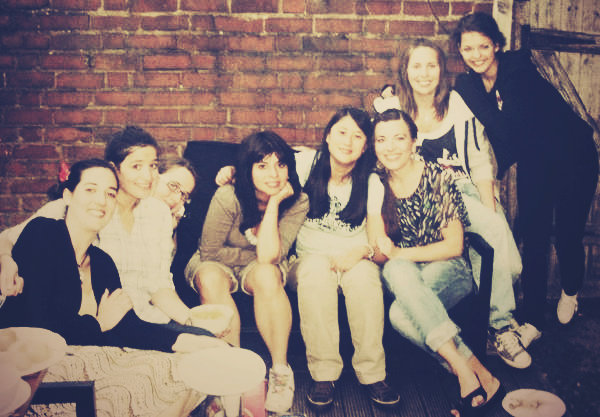
International peers

FUN
That's pretty much self-explanatory, you go on Erasmus and apart from building up your self-confidence you also have a blast.
Is it THAT bad? You surely won't believe that Erasmus students do fuck-all only because we enjoy going out, will you?
This certainly calls for more of a mature judgement rather than a lame label! :)